lok nayak rural fellowship
Our Lok Nayak Rural Fellowship 2026–27
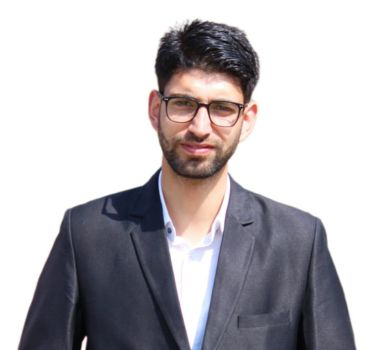
Nasir Khuehami
Lok-Nayak Rural Fellow
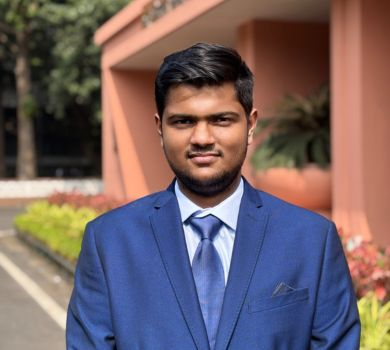
Harshit Shrivastav
Lok-Nayak Rural Fellow
Lok Nayak Rural Fellowship 2026–27
The Lok Nayak Rural Fellowship (LNRF) is a year-long grassroots engagement and policy research program launched by the Samaira Policy Research Institute (SPRI), inspired by Lok Nayak Jayaprakash Narayan’s ideals of participatory democracy and rural reconstruction. It immerses young scholars in the functioning of Panchayati Raj Institutions (PRIs), enabling them to work directly with elected representatives, study governance processes, and contribute to local development through applied policy research. The Fellowship aims to create a new generation of policy professionals grounded in the realities of rural India, combining field immersion with academic research. Its objectives are: To expose fellows to the functioning of local governance systems and participatory planning. To enhance capacity in grassroots policy research and evidence-based decision-making. To promote documentation of best practices and innovations in rural governance. To generate actionable insights for national and state-level rural policy frameworks.
Discover The Fellowship
The LNRF seeks to
- Conduct evidence-based research on Panchayati Raj Institutions and rural governance.
- Enable field-based policy learning with local bodies and legislators.
- Develop actionable frameworks for participatory and inclusive rural development.
- Build a network of policy researchers and practitioners grounded in grassroots experience.
Areas of Research
- Panchayat Governance and Decentralization
- Local Finance and Rural Infrastructure
- Social Justice and Gender Inclusion in PRIs
- Climate Change and Rural Livelihoods
- Education, Health, and Local Service Delivery
- Digital Governance and Data for Rural
Development - Participatory Engagement Planning and
Citizen
FELLOWSHIP STRUCTURE
The Fellowship is structured into three integrated components:
1. Field Immersion (Primary Component) Fellows are placed in rural areas and attached to Panchayati Raj Institutions, where they:
- Observe and document governance processes
- Work with elected representatives and local officials
- Attend Gram Sabha and Panchayat meetings
- Engage with community members and civil society actors
2. Applied Policy Research Each Fellow undertakes structured policy research on themes such as:
- Rural development and livelihoods
- Local governance and decentralisation
- Health, education, nutrition, and sanitation
- Gender, social justice, and inclusion
- Climate resilience and sustainable rural planning
Research outputs include policy briefs, field reports, and working papers under faculty mentorship.
3. Capacity Building & Mentorship Fellows receive continuous academic and professional support through:
- Research methodology workshops
- Policy writing and communication training
- Ethics, leadership, and public service modules
- One-on-one mentorship from SPRI faculty and practitioners
STRUCTURE
| Phase | Duration | Key Focus |
|---|---|---|
Orientation & Training |
1 Months |
Induction at SPRI, Dehradun – workshops, methods, and rural exposure |
Field Immersion |
6 Months |
Placement with elected representatives in Panchayats to support locals |
Thematic Policy Research |
3 Months |
Research on rural livelihoods, inclusion, governance, or cooperatives |
Reporting & Policy Dialogue |
2 Months |
Presentation at Lok Nayak Policy Dialogue and submission of final repo |
Eligibility Criteria -
- Educational Qualification: Applicants must hold a Bachelor’s degree from a recognized university or institution in India or abroad. Candidates from all disciplines are eligible. Final-year undergraduate students may apply, provided they submit proof of degree completion before the Fellowship commencement.
- Age Criteria: Preferred age range: 21 to 30 years at the time of commencement of the Fellowship. Candidates outside this range may be considered on a case-bycase basis if they demonstrate strong motivation, relevant experience, or exceptional merit.
- Citizenship: The Fellowship is open to Indian citizens.. Overseas Citizens of India (OCI) may apply subject to, Compliance with applicable fieldwork, residency, and legal requirements Willingness to work in rural India for the full duration.
- Language & Communication: Working knowledge of English is required for research, reporting, and training components.Knowledge of Hindi and/or regional languages will be considereda strong advantage for field engagement.
Selection Process -1
Official Notice – LNRF 2026 Selection Process Update
Due to the overwhelming number of applications received for the Lok Nayak Rural Fellowship (LNRF) 2026, the written examination has been cancelled.
All applicants are now required to submit the following documents:
Statement of Purpose (SOP)
Letter of Recommendation (LOR)
Submission Deadline: 5 April 2026
Candidates will be shortlisted for an online interview based on these submissions.
Applicants who wish to withdraw from the selection process and have already paid the application fee may request a refund, which will be processed within 5 working days of receiving the cancellation email.
Cancellation requests should be sent to: administration@samairapolicy.in
We appreciate your understanding and sincerely thank all applicants for the overwhelming response.